

By: Nikki Donald (BMR-PT, BSc)

Nikki Donald is a Zen Physiotherapist with a keen interest and ongoing education in Temporomandibular disorders (TMD), otherwise known as jaw pain or dysfunction. In our latest Zen Wellness Blog, Nikki will explain what TMD is, the common symptoms, and what you can do to improve your TMD symptoms.
Temporomandibular disorder (TMD), is the second most prevalent musculoskeletal condition causing pain and/or disability in North America. TMD can concern one or both temporomandibular joints, and/or the surrounding muscles.
Pain in the jaw or head associated with TMD can be caused by something inside the joint, such as the disc, or outside of the joint, most likely an issue with the surrounding muscles. It may also be that there could be something going on both inside and outside the joint. It may have come on after an actual event or trauma, or it may have just come on seemingly out of nowhere. An assessment by a trained physiotherapist can help determine the origin of your pain. For some people, the problem can actually start in the neck and shoulders and move upwards. In some cases, TMD can be very debilitating and have an effect on our activities of daily living.
TMD can present differently in everyone. It could be just one symptom that you experience or a collection. Common symptoms include:
- Jaw pain or aches
- Clicking or popping heard from one or both joints
- Pain with eating, yawning or talking
- Frequent headaches
- Earaches
If you are suffering from any of the above symptoms, make an attempt to identify things that cause more stress in your life. This can help you to decrease any clenching of the jaw you may be doing that could be exacerbating your pain. TMD can also be a consequence of poor posture, so make an attempt to keep your shoulders back and down throughout the day!
The foods you eat COULD be making your pain worse.
Some common foods to avoid if you are experiencing jaw pain include:
- Gum
- Popcorn
- Chewy caramels
- Chewier meat or bread
- Hard foods like apples and carrots (try steaming these!)
- Lettuce
If you would like to get treated for TMD, call your physiotherapist to ask if they have taken any continuing education courses in TMD. If not, come see me at Zen physiotherapy. Physios are primary healthcare providers, so you don’t need a doctor’s referral to see us.
After diagnosis, treatment may involve one or more of the following techniques to alleviate your symptoms:
- Myofascial release
- Joint mobilizations
- Acupuncture
- Cupping
- Heat or ice
- Education
- Home exercise
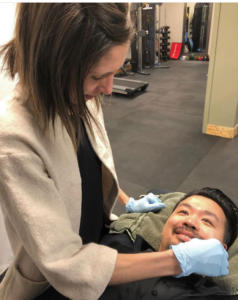
In the meantime, try working on your posture, avoid the foods listed above, and keep your teeth apart to prevent overworking your chewing muscles.
If you have any questions for Nikki or if you would like to book your initial assessment with her, please send us a message, book online, or give us a call at 204-691-0097.