


By: Rhea Tomlinson (BMR-PT, BA)
Certified in Pelvic Health Level 3, Acupuncture & Dry Needling
RYT 200 hour
The weather is beautiful here in Winnipeg! If it is safe to do so where you live, it may be the perfect time to start an outdoor running program! Typically, Zen Physiotherapy leads several small group Running Room sessions a year to share tips and exercises with our local running community. Read on to learn more!
Whether you are an amateur or a seasoned runner it is important to consider these tips for both injury prevention and performance enhancement:
- Choose the right shoes
Shoes have many variables to consider when picking the “perfect pair”. Go to a reputable shoe store like the Running Room or Canadian Footwear to be fitted if you are not sure what shoe support works for your feet and body. You may need further assessment by a physiotherapist or podiatrist if you have any special considerations or previous injuries.
When possible, start wearing your new shoes at the beginning of your training program to gradually get used to them as you increase mileage. Do not switch shoes halfway through training if possible. If you have to switch your shoes mid-season, consider a gradual transition starting with short runs in the new shoes and progressively lengthening your training time in them.
Your new running shoes should be comfortable immediately and there should not be a “breaking in” period.
- Choose the right training program
We recommend that you can consult a trainer or join a running group (distanced or virtually) that matches your current level. If you are new to running, choose a beginner program to ease you in. For ideas, you can check out many great training resources online.
- Add a strengthening program to your weekly routine 2-3x/wk
An appropriate strength program depends on where in your body you are weak, asymmetrical, or it may be designed for general maintenance. Everyone is different; you may need to work on hamstrings, quadriceps, hip flexors, gluteals. If you are unsure, we recommend an assessment by a physiotherapist to determine a program to suit your specific needs. When in doubt, we recommend strengthening all areas to promote a well-rounded strong body for running. Do not forget the core and upper body which is often neglected by our runners.
A commonly prescribed exercise for runners is banded bridging which helps to strengthen the gluteals and core. Check out our YouTube video for demonstration. If you do not have a band, it is okay to try it without! https://www.zenphysiotherapy.com/bridging/
- Add mobility & stretching to the program 3-5x/wk
If you have stiffness in your spine, hips, ankles or elsewhere this may lead to injuries down the line by over working other areas of you body. Appropriate mobility and stretching exercise prescription varies person to person depending on their unique needs. A stretch and mobility routine does not need to be a long program to be effective.
A great way to gain mobility and stretch the full body is through gentle yoga practices such as Yin or Restorative Yoga or you can do your own mobility/stretch routine in the morning or prior to running.

A commonly prescribed stretch for runners is the Hip Flexor Stretch. Check out our YouTube video for demonstration. This stretch can be performed in other positions such as standing.
- Add speed training/ anaerobic training to your program 1-2x/wk
This can be achieved through many things like running sprints, Tabata training, Jacobs Ladder or stair sprints, plyometrics such as tuck or box jumps, burpees, or you can mix and match each week. Speed training will be especially important if you have a goal time or personal best you are hoping to accomplish for your race.
- Take rest days!
The body needs to recover in order to get stronger. Proper recovery is essential to staying injury free. Try to sleep 7-8+ hours a night as you train to provide adequate healing of the muscles. We recommend running every other day. Overtraining and running every day does not allow for enough healing time for the body and often leads to injuries.

- Hydrate and nourish your body
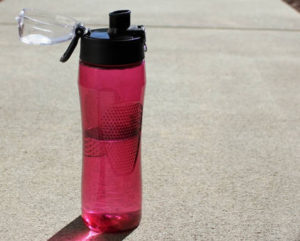
Go into your runs well hydrated and drink plenty of water after a run (especially on these hot summer days!). If you are running for an extended period, purchase a hydration belt or pack to hold water for your run. You can purchase nutrition packs for longer runs to restore glucose (sugars) and electrolytes lost through sweat throughout your run. Note you may need to increase calories as you train especially when marathon training. Everybody is different with the types of calories that work for them pre and post run. We recommend following Canada’s Food Guide or consulting a certified dietician for further nutrition advice.
- At the first sign of injury get assessed!
We do not recommend running through aches/pains. Pain is the body’s warning signal that something is wrong. If you are not sure how to fix it on your own, get assessed by a licensed practitioner such as AT, PT, or Sports Medicine. They are highly trained to assess, diagnose, educate you and modify your program as needed to get you back out there!
If you have any questions in regard to this blog, please reach out to our amazing Zen team on our contacts page!